With extraordinarily wide-spread destruction in the aftermath of Hurricane Sandy, grantmakers across the country will be looking to help with the cleanup and rebuilding. Here are some resources to remember
Join Dance/USA and From the Green Room in an online discussion on the state of the field. Here is where the discussion to implement change and share new ideas, models, methods or practices that can help us acclimate to this shift in the field. What do we want: stability, job opportunities, long-term contracts, insurance? We look forward to your fruitful and productive contributions to this conversation.
If you wish to conduct legislative visits in Washington, D.C., outside of Arts Advocacy Day, Dance/USA’s Government Affairs Department will schedule your meetings, prepare you with talking points and leave-behind materials, and accompany you during the meetings.
It’s easy to lose sight of the big picture when we stay so busy putting out fires and keeping a dozen balls in the air at once. But as dancers, arts managers, and company directors, we shouldn’t discount the importance of forging and solidifying relationships with our government officials on the local, state, and national levels.
It’s important to remember that arts advocates are not only lobbying for increased appropriations for the National Endowment for the Arts. We’re also working on policies for tax, technology, education, and international exchange.
It’s important at times like these to remain actively engaged with our elected officials. This might mean contacting them about the important role of government funding for the arts and arts education, the role the charitable deduction has in strengthening the arts in every community, or the value in making sure that the nonprofit arts sector is considered in any legislation benefitting employers.
During my first few months as the executive director of Dance/USA, I engaged dance leaders from around the country in conversations about the state of the field. What are they experiencing as dance artists and managers? What issues are on the forefront of their daily work? How could Dance/USA help?
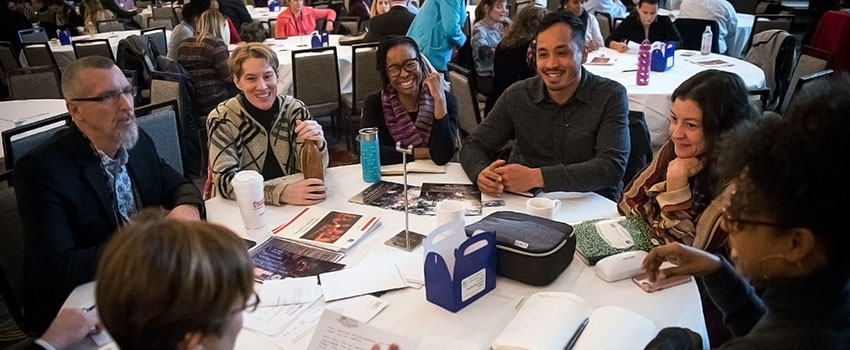
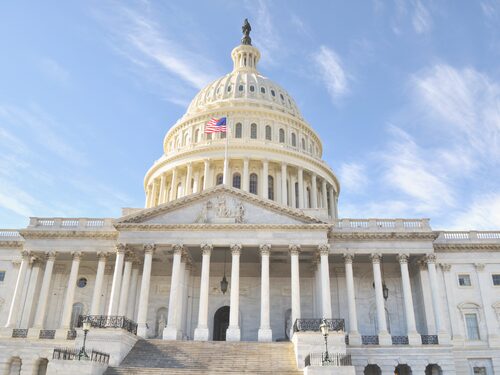
On April 4 and 5, 2011, more than 500 arts advocates from across the country met in Washington, D.C., to tell their elected officials about the important role the arts play in the lives of constituents and the communities where they live.
On April 4 and 5, 2011, approximately 450 artists, arts administrators, philanthropists, and corporations will descend on Washington, D.C., for the 24th Arts Advocacy Day (AAD). Coordinated by Americans for the Arts, this year’s AAD occurs during intense budget debates, as legislators are making crucial spending decisions in an effort to reduce the national debt. This year, several key issues are at stake, including funding for the National Endowment of the Arts and Arts in Education programs.
The use of the arts in community service programs in a systematic fashion, for example, is an excellent way to ensure that innovative and engaging activities reunite, reskill, and repower citizens. And dance, of all of the arts, teaches us to do those things by thinking on our feet, outside the box, and with each other.