The pressure to “do something” is rising.
September Advocacy Update
I had the privilege of attending the Congressional Black Caucus Annual Legislative Conference. I met members of Congress and advocates who remain determined to keep working. Our conversations covered topics ranging from artificial intelligence to Black men’s mental health, but one idea connected them all: each of us has something to contribute.
While I was attending the conference, my colleague Kate Folsom, Dance/USA Development and Board Engagement Consultant, joined more than 2,500 other people at the Hands Off the Arts protest at the Kennedy Center. Participants formed a human chain around the Center in response to its closure and concerns about its possible demolition.
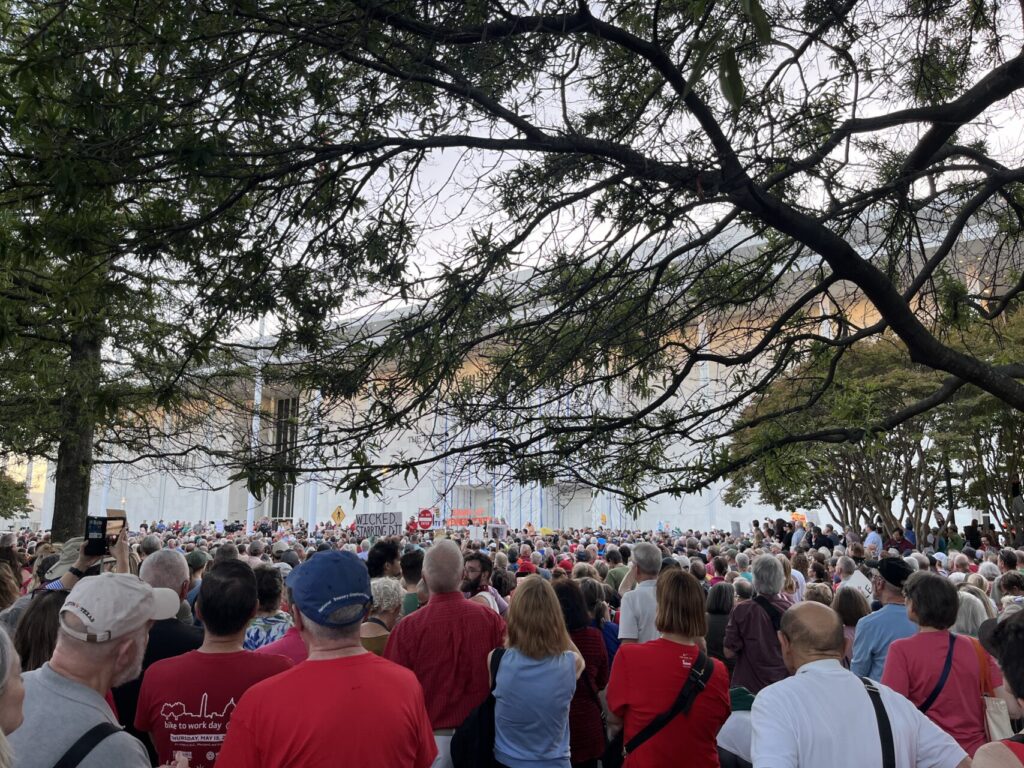
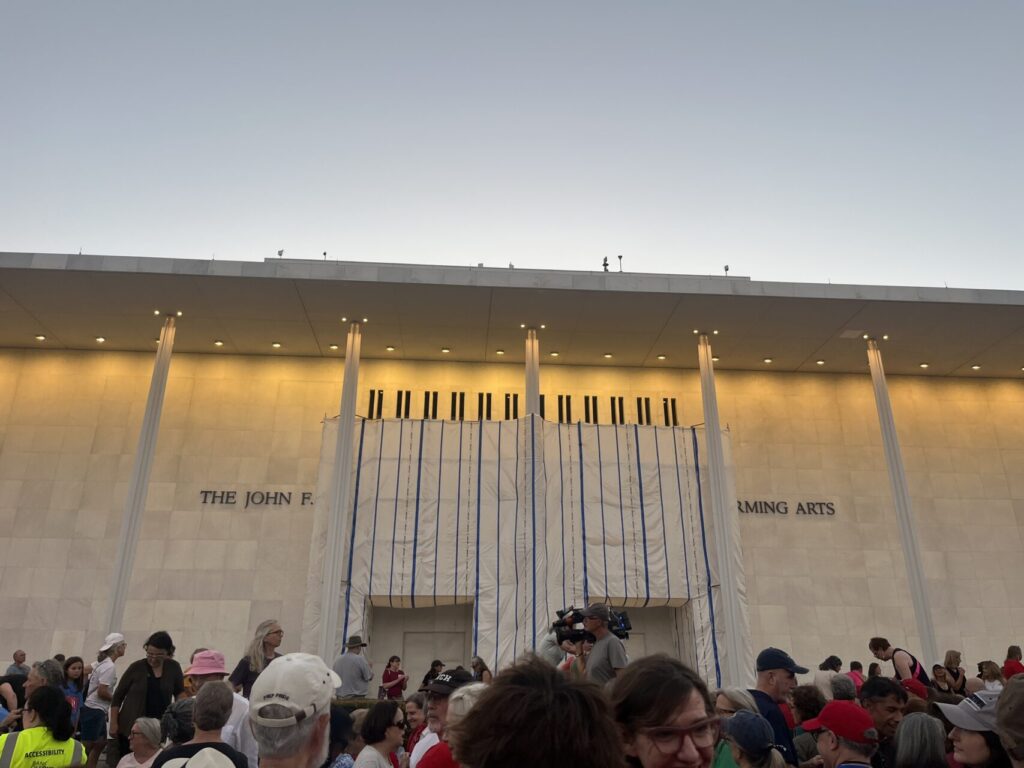
As the midterm elections approach and the political climate grows more heated, the pressure to “do something” is rising. We are living through a formative period in our nation’s history, and I hope you will help shape what comes next. That work starts with voting, but it does not end at the ballot box. Attend an arts council, school board, or city council meeting. Bring your experience and perspective into the room. Celebrate what you value, and organize to change what you believe is wrong.
This moment can feel overwhelming. Let that feeling be a signal to focus your attention—not to check out. Choose an issue you care about. Create art about it. Speak up about it. Show up for your community.
In solidarity,
Bertrand Evans-Taylor
Director of Government Affairs
advocacy@nulldanceusa.org
✊ Do Something
Action #1: Submit Your Work for #Dance2Vote
Leading up to the November 3 elections, we’re putting out a call for dance works representing issues of democracy that can inspire audiences to vote.
Anyone can submit work—you don’t have to be a member!
Action #2: Check Your Registration. Make a Plan to Vote.
Being ready to vote starts before Election Day. Visit vote.gov to confirm your voter registration status, register or update your information, and review the voting requirements in your state or territory. You can also find information about early voting, mail-in and absentee voting, and voter identification requirements.
Action #3: Learn About The Choreographic Condition: Findings from the Creators in Dance Summit
What do choreographers need to build sustainable careers and continue making meaningful work? Drawing on candid conversations among 80 choreographers across career stages and practices, BalletCollective’s new white paper examines the economic pressures, workplace conditions, access barriers, and support gaps shaping choreographic life today.
📰 Policy & Advocacy Updates
International Student Internships Restricted
On August 24, the Department of Homeland Security narrowed eligibility for Curricular Practical Training, which F-1 international students use for paid or unpaid off-campus internships and practicums. CPT may now be authorized only when the training is required to complete the degree and required of every student in the program. Previously approved CPT will be honored, and Optional Practical Training is not affected.
Expect fewer international students to qualify for CPT. Before relying on CPT, confirm the placement with the student and their university’s designated school official.
Mail Voting Restrictions Before the Supreme Court
The administration has asked the Supreme Court to allow new Postal Service requirements for mail ballots to take effect before November. The rule would require states to provide lists of mail-ballot recipients and use unique barcodes on ballot envelopes. A federal judge has blocked enforcement for now, finding that the requirements could force major last-minute changes and risk disenfranchising voters. The administration’s Supreme Court request remains pending as of September 9.
Kennedy Center Closure Faces Legal Challenge
Fencing was installed around the Kennedy Center’s main building on September 16, one day after its board voted to close most of the performing arts center for repairs. President Trump and the board cited safety concerns and the need for renovations, for which Congress has allocated $257 million.
The vote followed a federal judge’s decision blocking another effort to add President Trump’s name to the building. Rep. Joyce Beatty of Ohio, an ex officio member of the Kennedy Center board, subsequently requested an emergency court hearing to challenge the closure.