Dance Business Bootcamp: The 12-Month Reset
Your Art Deserves a Real Plan to Support It
Dance/USA’s 2026 Dance Business Bootcamp brought together six practitioners for two days of working sessions on funding, budgeting, marketing, people management, and 12-month planning — built specifically for independent dance artists and organizations under $250K.
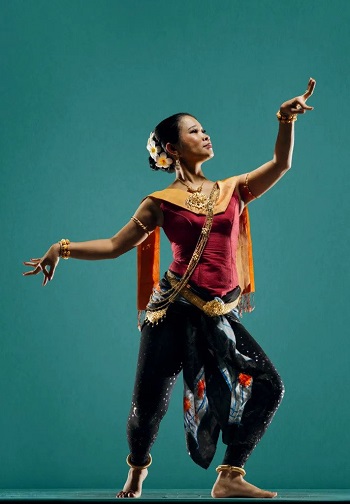
Most dance artists didn’t set out to become operations managers.
But here you are, managing budgets, making business decisions, and trying to plan a year ahead while the current one is still in motion. There is extensive administrative work required to make dance happen, and most artists end up managing each part of it on their own.
Wouldn’t it be helpful to spend some time with administrative professionals ready to guide you? To meet with a group of peers figuring out the same thing?
In our Dance Business Bootcamp, dance artists will participate in two days of administrative coaching by practitioners with deep knowledge of the dance field.
What You’ll Learn
In six working sessions, you’ll learn how to:
- budget and contract fairly;
- lead and manage staff with confidence;
- write about your work so it gets noticed;
- make strategic decisions under constraint;
- build a 12-month operating plan; and
- design a community-rooted revenue ecosystem.
Who It’s For
Built for those with dance careers without a full team behind them:
- Independent choreographers managing their own operations;
- Small dance organization leaders wearing the artistic and administrative hats at the same time;
- Dance companies with a team of five or fewer people; and
- Operations with a budget under $250K
Being a dance artist today means running a small business—whether or not you call it that.
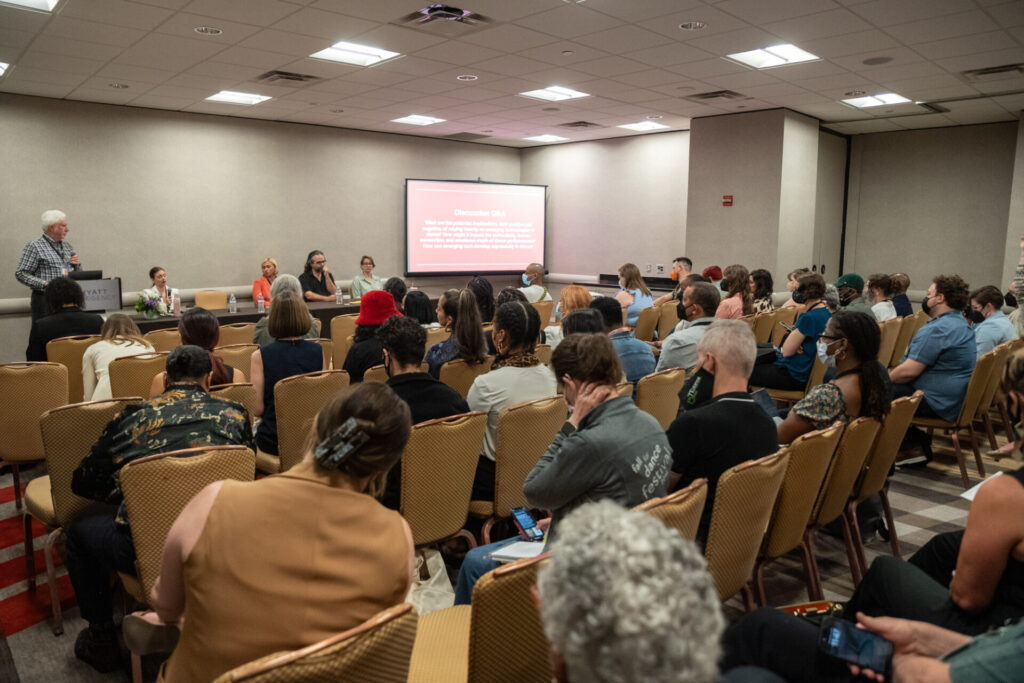
Inside Dance Business Bootcamp: Session Topics
2026 Dance Business Bootcamp included sessions on
Fundraising and Finance, Marketing, People and Culture, and Business Planning
Fundraising and Finance
When You Don't Have the Cash: Project Budgets & Contracts for Individual Artists
Led by with Joanna Furnans, Chicago Dancemakers Forum
Build honest project budgets and fair collaborator contracts even when funding falls short.
Why This Session Now
Individual artists’ projects are almost always underfunded. But artists are rarely given the tools to address that underfunding while maintaining their commitment to fairness, care, and equity. We need to acknowledge that underfunding is a chronic issue AND offer resources to change the reality for artists and their collaborators.
Key Takeaways
- You will learn how to use a project budget template that accurately reflects volunteer/donated labor and the true cost of your project.
- You will understand options for contract language and negotiations with project collaborators who have varying fees and compensation needs.
- You will understand the greater impact of these practices on national advocacy efforts for increased funding for the arts
What You'll Do
- Work independently with provided templates from Chicago Dancemakers Forum
- Ask individual questions about using the templates for your projects
- Engage in seminar-style discussions to learn from and respond to each other
What You'll Get
Two templates—on budgeting and contracts—that you can modify and work with going forward in your career as an artist.
Rooted Rhythms: Designing Culturally Grounded Revenue Ecosystems for Dance Artists and Communities
Led by Nneka Okeke, Black LGBTQ Migrant Project
Build financial sustainability from the relationships and community you already have.
Why This Session Now
As funding continues to contract, dance artists are increasingly expected to sustain their work within systems that were never designed to support them. Black, brown, and queer artists in particular face persistent barriers to accessing institutional funding, while being over-relied upon to produce culture, community, and care with limited resources. Many artists are left navigating financial instability despite having deeply engaged audiences and strong community presence.
This creates an urgent need to reframe how sustainability is defined and built within the dance ecosystem.
Key Takeaways
- You will identify and map key relationships within your existing ecosystem as components of a relational revenue infrastructure
- You will recognize and cultivate emerging community leaders who can support long-term sustainability and fundraising efforts
- You will develop a personalized Community Revenue Map to track, activate, and grow multiple revenue streams
What You'll Do
- Name real people, enter real numbers, and map real relationships
- Engage with one another while working side by side
- Receive coaching in real-time based on your shared responses
What You'll Get
A completed Community Revenue Map — a personalized four-part working document that includes:
- A relationship asset inventory naming the people, organizations, and platforms already in their ecosystem
- A revenue stream map across five categories with estimated annual amounts
- A community giving pathway tracing how someone moves from first encounter to sustained supporter in their specific community
- An emerging leaders’ plan naming real people, the signals observed in them, and concrete cultivation commitments for the next 30 days.
You will also leave with something a worksheet cannot provide: visibility into ecosystems beyond your own. You’ll name overlap such as shared funders, students, and champions. Naming those connections in real time can identify potential collaborators, co-producers, or shared resource pools. The map is personal, but it is built in community.
Marketing
Found in Translation: Writing About Your Work Without Pinning It Down
Led by Amy Jacobus, Grounded Growth Marketing
Write about your work in language that gets you found, funded, and booked.
Why This Session Now
Dance artists are trained to communicate in movement, moments, metaphor, and feeling. While that training works beautifully in the studio, online, it can make their work invisible. When every artist bio is a word salad about “exploring the intersection of movement and [blank],” and every artist statement reaches for the transcendent, the words stop meaning anything. Google and ChatGPT don’t get it, eyes glaze over, and opportunities pass right by.
Compelling messaging attracts attention, secures funding, and draws audiences away from their couches. It’s a critical component of an artist’s success and a skill that can easily be explored and developed in one working session.
Key Takeaways
- You will apply a three-part artist statement framework (what/how you create, your distinctive lens, the effect your work produces) to draft a stronger statement for marketing and applications
- You will populate an artist bio framework with at least three sections of reflection on your experience, motivations, and accomplishments
- You will begin inhabiting a voice that is authentically yours and distinguish yourself in relation to your peers
What You'll Do
The session will include active writing time as well as peer review conversations to develop and revise first drafts.
What You'll Get
- An artist statement, reviewed by a peer
- A start to an artist bio that follows an “about story” framework
- Next steps action document for how to complete artist bio and employ language across digital platforms and more creative mediums
People and Culture
The Dance of Leading AND Managing Staff: Tips to Support Breakthroughs not Breakdowns
Led by Erin Lynn Williams, Consulting à la mode
Set up supervisory relationships that actually work before things go sideways.
Why This Session Now
Many of us are stressed out, period. The world is on fire, period. We want to be the best we can be for our organizations, but sometimes we can feel stuck in the middle of our collective values and the tension that our structures, outside compliance, and fundraising efforts dictate. We can all be good supervisors, but we need to be ready, willing and able. Practical tools can help demystify supervision and support people to feel more confident.
Key Takeaways
- You will learn how to balance leadership and management principles in ways that support your confidence, and the confidence of those who report to you.
- You will learn practical tools to set-up your supervisory relationships with a foundation of trust that can weather missteps on either end
- You will learn that you can be an intersectional and anti-oppressive supervisor within our current context, and within compliance structures that can be contradictory.
What You'll Do
- Respond to prompts (in chat or verbally)
- Respond to conceptual frameworks that are introduced and relate them to real-life situations that you’ve encountered
- Engage in peer-to-peer exchange
What You'll Get
Specific visual frameworks designed to:
- Help distinguish between leadership and management
- Explain how trust is built
- Provide practical tips on how to set up supervisory relationships
- Provide strategies to navigate inevitable complexities before they arise
Business Planning
Make It Happen Against All Odds: Navigate the Moment, Optimize Your Assets, The Show Will Go On
Led by Leeanne G-Bowley, Creative Estate
Take stock of what you actually have and build a concrete path forward from there.
Why This Session Now
Dance has never had the luxury of stability. Funding has always been precarious, and the artists who sustain careers in this field have always done so by adapting fast. What is different about this moment is not the difficulty—it is the speed and scale of the change.
It is no longer enough to be resourceful. Artists and small organizations need to be able to evaluate which paths forward are worth the investment, and build strategies flexible enough to absorb the next disruption without starting over.
Key Takeaways
- You will take stock of your current position and identify what has changed in the landscape that requires a new approach.
- You will build a fundraising strategy and evaluate the opportunity cost of different paths (competitive grants vs. individual supporters vs. partnerships vs. earned revenue)
- You will practice strategic decision-making in a constrained environment, deciding where to invest limited time and energy.
What You'll Do
- Begin a self-assessment
- Map your assets and reframe how you see your starting position
- Make real decisions about where to invest time and who to approach for support
- Surface your blind spots by testing strategies against a partner’s questions
What You'll Get
A completed strategic navigation workbook designed as a living document that you will continue to develop and revisit as conditions change. It contains four sections:
- A current position assessment
- An asset map of existing strengths, relationships, resources, and reputation
- A resource strategy evaluating funding and support options
- A 90-day path forward with a specific next step identified for the first week
Stop Guessing Your Next Season: Build Your 12-Month Plan (In One Working Session)
Led by Kristopher W. McDowell, Rhizome Arts
Turn your artistic vision into a structured, resourced 12-month plan.
Why This Session Now
For many independent artists and small-budget organizations, planning is reactive, often shaped by opportunities (such as touring invitations or presenter timelines) rather than a clearly defined, internally driven strategy.
There is a growing need for artists and organizations to clarify their own priorities and operating logic in a way that allows them to engage presenters, partners, and funders from a position of alignment and agency.
Key Takeaways
- You will define a clear 12-month priority (project, season, or program) with articulated goals, audience, and intended impact
- You will build a structured 12-month plan aligning programming, people, and revenue
- You will produce a usable working document that can support decision-making, fundraising, and stakeholder alignment going forward
What You'll Do
- Respond to focused prompts (e.g., define a core priority, map key activities, align revenue) and apply them directly to your own project or organization
- Draft your plan using a provided template, making decisions in real time
- Engage in small-group discussions to test ideas, receive feedback, and refine your work
What You'll Get
A completed draft of a 12-Month Plan (Operating Plan) for a specific project, season, or program. It will include:
- Core Priority: clearly defined project/season focus, goals, and intended impact
- Programming Timeline: key activities and milestones mapped across 12 months
- People & Capacity: roles, collaborators, and resource needs required to execute the work
- Revenue Alignment: 2–3 identified income pathways (earned, contributed, partnerships) tied directly to planned activities
- Success Markers: defined indicators of progress and outcomes
The Facilitators
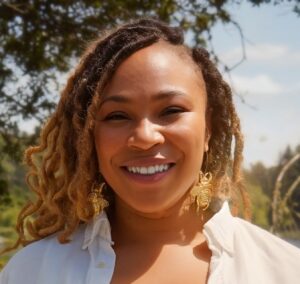
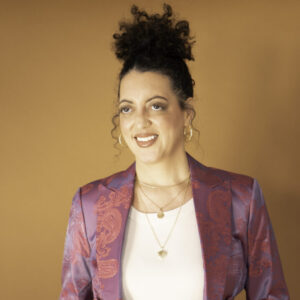
This year’s Dance Business Bootcamp brought together six professionals with deep experience in the operational realities of running a dance organization. Each facilitator led one working session and brought their own framework, tools, and direct experience to the room.